
Seventeen years
Seventeen years. Not just any seventeen years. As if it had been thirty-four—or even more. As if the wheel of time had turned differently. As if it hadn’t all happened within a single lifetime. As if it hadn’t even happened to me.
Seventeen years ago, my son Kende was born on a beautiful, characteristically spring day just like this—sometimes sunny, sometimes cloudy—when the plants, bursting with life, already signal that nature has awakened and longs to live. Just after Easter. When the daffodils, hyacinths, and magnolias have already faded, and the lilacs are just beginning to bloom.
Every year on his birthday, I become emotional. Each time, I’m reminded of the many struggles of this life—our shared life—and the incomparable moments of happiness that came with them. The rewards I received from life for my often superhuman efforts: a very, very special little boy—pardon, a young man—and with him, a life path that is anything but ordinary.
And yet, my day started badly. I barely slept three hours, woke up irritable—not just because of this one night, but because this insidious insomnia has been resurfacing again and again for so long. My poor sleep began with Kende’s birth—or rather, during my pregnancy with him. Somehow, our nervous systems synchronized. From the time he was just a few months old, Kende woke up every night—sometimes as many as eight times. I tried everything, nothing worked. He would wake and cry relentlessly, several times each night, until he was three years old. When he was old enough to stand in his crib, he would rhythmically bang his head against the wall, as if mercilessly punishing himself for sins not yet committed. And I would rock him, sometimes helplessly sobbing, trying to soothe him; other times I would just watch in confusion as this innocent little soul refused to be tamed.
Even during pregnancy, he affected me. He lay in a way that pressed against my ribs, and I had to give up my hobby at the time—making glass jewelry—because the glass beads made me nauseous. Only much later, when he felt sick from the pure view of a necklace, did I connect this sensation with his aversion to such objects—an aversion that truly causes him immediate bouts of vomiting.
By the time he was eight months old, it was clear that something about him was not typical. For a long time, I feared he might be schizophrenic, because sometimes he was present, and at other times unreachable; sometimes he smiled enchantingly, other times he had uncontrollable fits of rage. At times he was affectionate and cuddly, at others he couldn’t tolerate anyone’s closeness. His emotional swings were so extreme that they turned our entire family life upside down. Until the age of five, he didn’t speak—he used only five words of his own invention, to which he clung rigidly. Whenever he learned a new word, he forgot another. On the advice of a speech therapist, for ten months, every evening for an hour—while he happily pushed his toy cars around—I repeated in the background: “ca-ca-car… ca-ca-car…” His little sibling also tried to get him to speak: “Say something already, little brother, caaaar!”—but to no avail. He does everything only and exactly the way he wants to. No one tells him what to
Seventeen years. Not just any seventeen years. As if it had been thirty-four—or even more. As if the wheel of time had turned differently. As if it hadn’t all happened within a single lifetime. As if it hadn’t even happened to me.
Seventeen years ago, my son Kende was born on a beautiful, characteristically spring day just like this—sometimes sunny, sometimes cloudy—when the plants, bursting with life, already signal that nature has awakened and longs to live. Just after Easter. When the daffodils, hyacinths, and magnolias have already faded, and the lilacs are just beginning to bloom.
Every year on his birthday, I become emotional. Each time, I’m reminded of the many struggles of this life—our shared life—and the incomparable moments of happiness that came with them. The rewards I received from life for my often superhuman efforts: a very, very special little boy—pardon, a young man—and with him, a life path that is anything but ordinary.
And yet, my day started badly. I barely slept three hours, woke up irritable—not just because of this one night, but because this insidious insomnia has been resurfacing again and again for so long. My poor sleep began with Kende’s birth—or rather, during my pregnancy with him. Somehow, our nervous systems synchronized. From the time he was just a few months old, Kende woke up every night—sometimes as many as eight times. I tried everything, nothing worked. He would wake and cry relentlessly, several times each night, until he was three years old. When he was old enough to stand in his crib, he would rhythmically bang his head against the wall, as if mercilessly punishing himself for sins not yet committed. And I would rock him, sometimes helplessly sobbing, trying to soothe him; other times I would just watch in confusion as this innocent little soul refused to be tamed.
Even during pregnancy, he affected me. He lay in a way that pressed against my ribs, and I had to give up my hobby at the time—making glass jewelry—because the glass beads made me nauseous. Only much later, when he felt sick from the pure view of a necklace, did I connect this sensation with his aversion to such objects—an aversion that truly causes him immediate bouts of vomiting.
By the time he was eight months old, it was clear that something about him was not typical. For a long time, I feared he might be schizophrenic, because sometimes he was present, and at other times unreachable; sometimes he smiled enchantingly, other times he had uncontrollable fits of rage. At times he was affectionate and cuddly, at others he couldn’t tolerate anyone’s closeness. His emotional swings were so extreme that they turned our entire family life upside down. Until the age of five, he didn’t speak—he used only five words of his own invention, to which he clung rigidly. Whenever he learned a new word, he forgot another. On the advice of a speech therapist, for ten months, every evening for an hour—while he happily pushed his toy cars around—I repeated in the background: “ca-ca-car… ca-ca-car…” His little sibling also tried to get him to speak: “Say something already, little brother, caaaar!”—but to no avail. He does everything only and exactly the way he wants to. No one tells him what to
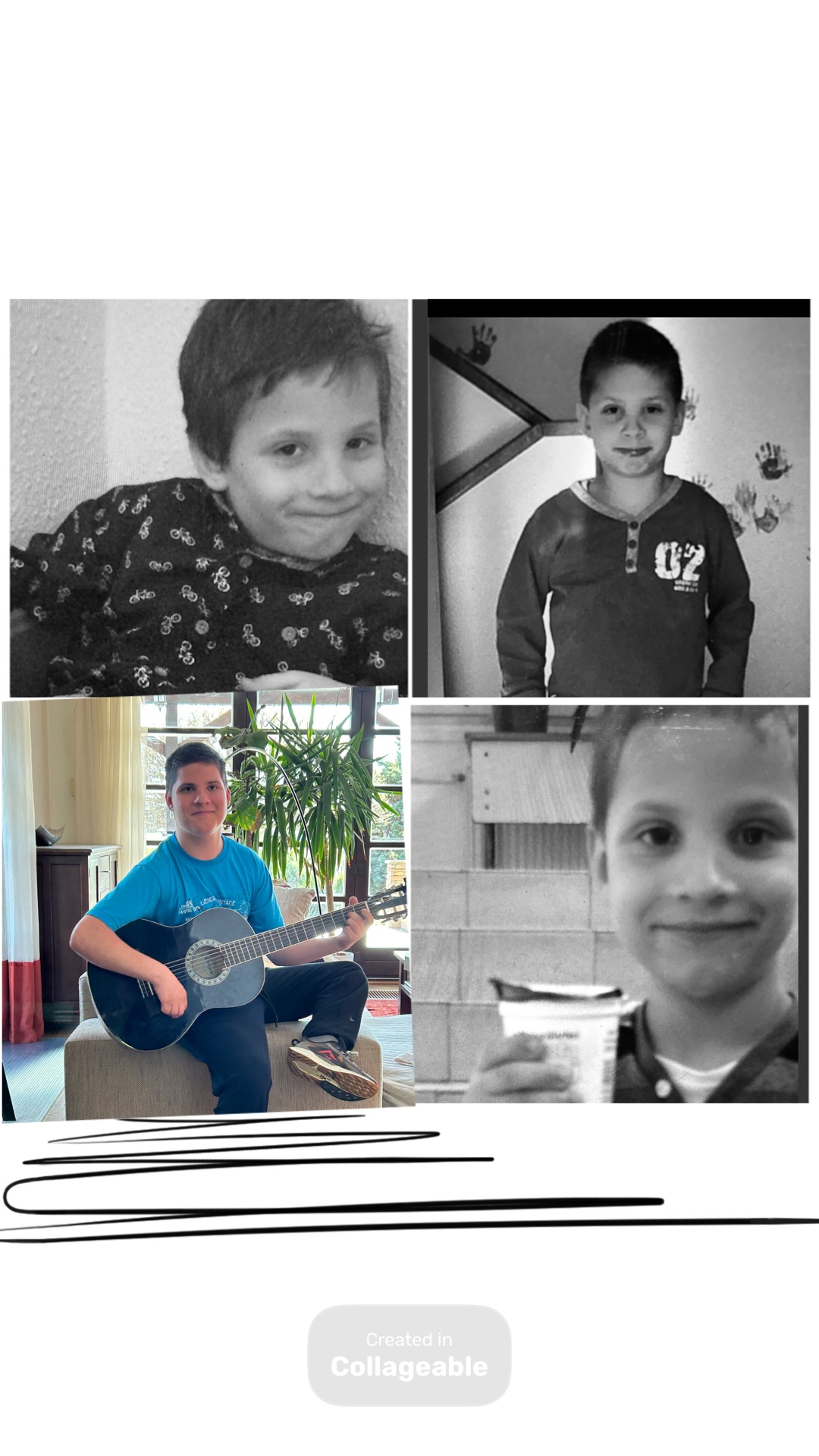
He was only admitted to a special education kindergarten because, when they rejected him, I caused a scene—if he wasn’t accepted there, then where could we possibly go? When I received his three-page evaluation, I read it with a steady face until I reached this sentence: “his performance is not outstanding in any area.” That’s when I broke down crying. Because it’s okay if you’re different, it’s okay if math or writing won’t come easily, or if you never learn to read—but nothing at all? What will become of a child like that? What kind of life will he have? Where will he find joy? How will he ever be happy?
Then came the endless therapies: developmental sessions, exercise, diets, supplements, all kinds of miracle methods—and eventually, India. I think that’s where I accepted the unacceptable, and where he, too, began to open up instead of resisting. From then on, we fought together—not against autism, intellectual disability, and Tourette syndrome, but for a better future—not just for his life, or for our little family, but for all autistic people. I think that’s when I consciously began to receive and share the lessons he came into my life to teach.
At the age of seven, he locked himself in the bathroom and drummed on the toilet seat with Chinese chopsticks. That’s when the family pooled money to buy him an African djembe drum. A drum teacher started working with him, and Kende connects through music. Later, he got a children’s drum kit for Christmas, and since he showed talent, he began to learn that as well. Today, he plays on a full-sized drum kit every day, for hours—lost in the music, sweating with enthusiasm and immersion. He has absolute pitch, and rhythm flows from his hands and feet as if he’s been doing this all his life—no, for lifetimes. He plays for the joy of it. And I, listening to it day after day—whether I want to or not—hearing the same rhythms again and again and again and yet again, I know: this child lives in music. He resonates with the space around him. He is in flow. He plays joy into being. And I find peace in this, because I see that happiness does not belong to those who chase it, but to those who can simply be present in the moment. You don’t need a diploma or even basic arithmetic for that—you don’t even need to understand why you’re drumming. Just enjoy it with a pure heart. That is more than enough.
Today was a special day. His ID expired on his birthday, so we went to the government office. For the first time in his life, Kende signed his name, simply and plainly: kende. Then, in the car, he told me: “beard grow, mustache.” Articles still go missing sometimes. Now he usually answers when I ask him something (if he feels like it). In the evenings, he feeds the cats and makes sparkling water. Today, for the first time ever, he offered me some during dinner (usually I have to remind him not to pour only for himself). Later in the evening, I said I wouldn’t make pancakes because my back hurt too much, and he accepted it without any outrage. He did ask, in his usual almost-shouting-affirming way, “why!”—but once I explained, he accepted it. He is becoming more cooperative, more independent, gentler, and more understanding. Slowly, beautifully, he is unfolding.
Thank you, my little boy, my grown son, for these extraordinary years and this extraordinary life I get to live because of you. I am deeply grateful for every minute of these seventeen years—even if at moments they were very hard. Thank you for all the lessons about myself and others, about acceptance and love, that I have received from you. May God bless you with a long life, my little capricorn with the budding beard and mustache!

0 Comments